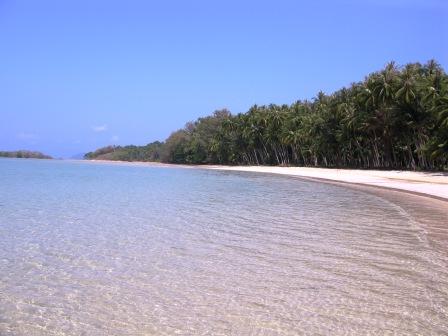 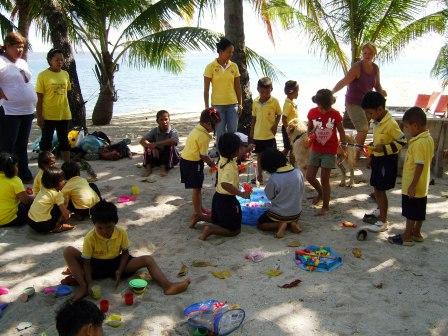
the koh mak kindergarten kindergarten trip to koh rayang in March 2009
energy-saving features (solar energy, solar-heating)
waste -management and control
eco-friendly tourism
promote sustainable tourism
manage and control drinking-water
WHAT IS SUSTAINABLE TOURISM ?
Sustainable tourism is tourism development that avoids damage to the environment, economy and cultures of the locations where it takes place. The aim of sustainable tourism is to ensure that development is a positive experience for local people; tourism companies; and tourists themselves. Under sustainable tourism, it may be unlikely to experience the kind of 'boom and bust' that led to the rapid growth, and then despoliation of locations such as on Koh Samui or Phuket and since a few years Koh Chang.
WIKIPEDIA: WHAT IS ECOTOURISM ?
Ecotourism (also known as ecological tourism) is travel to fragile, pristine, and usually protected areas that strives to be low impact and (often) small scale. It helps educate the traveler; provides funds for conservation; directly benefits the economic development and political empowerment of local communities; and fosters respect for different cultures and for human rights.[1] As defined by the co-founder of the Center for Responsible Travel, Martha Honey, Ph.D., in her book Ecotourism and Sustainable Development, Second Edition: Who Owns Paradise?. Most serious studies of ecotourism including several university programs now use this as the working definition.[2]
Ecotourism appeals to ecologically and socially conscious individuals. Generally speaking, it focuses on volunteering, personal growth and learning new ways to live on the planet. It typically involves travel to destinations where flora, fauna, and cultural heritage are the primary attractions. Ecotourism is a conceptual experience, enriching those who delve into researching and understanding the environment around them. It gives us insight into our impacts as human beings and also a greater appreciation of our own natural habitats.
Responsible ecotourism includes programs that minimize the negative aspects of conventional tourism on the environment and enhance the cultural integrity of local people. Therefore, in addition to evaluating environmental and cultural factors, an integral part of ecotourism is the promotion of recycling, energy efficiency, water conservation and creation of economic opportunities for the local communities.[3]
|